
Is Your Home Truly Protected? 5 Warning Signs It’s Time to Replace Your Siding.
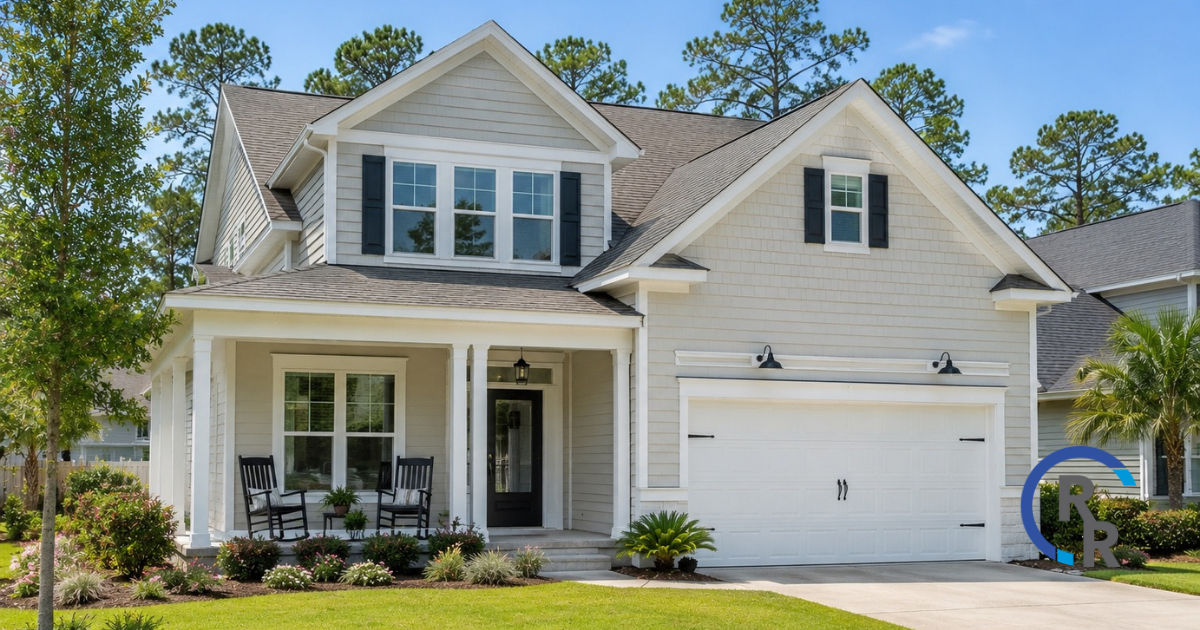
We all know how much we love our little corner of the Emerald Coast. Whether you're spending your weekends out on the boat, exploring the trails in the Eglin reservation, or just enjoying a quiet evening in your backyard, our homes are our sanctuaries. But between the intense Florida sun, the heavy humidity, and those unpredictable afternoon thunderstorms, our houses take a beating.
One of the most hardworking and often overlooked parts of your home is the siding. It’s not just there to make your house look good for the neighbors; it’s the primary shield protecting the structural integrity of your home.
Are you wondering if your home is still as protected as it should be? Let’s walk through the five major warning signs that it’s time to move past patches and think about a fresh, visionary siding replacement.
1. Visible Damage: Cracks, Holes, and the Dreaded Bubbling
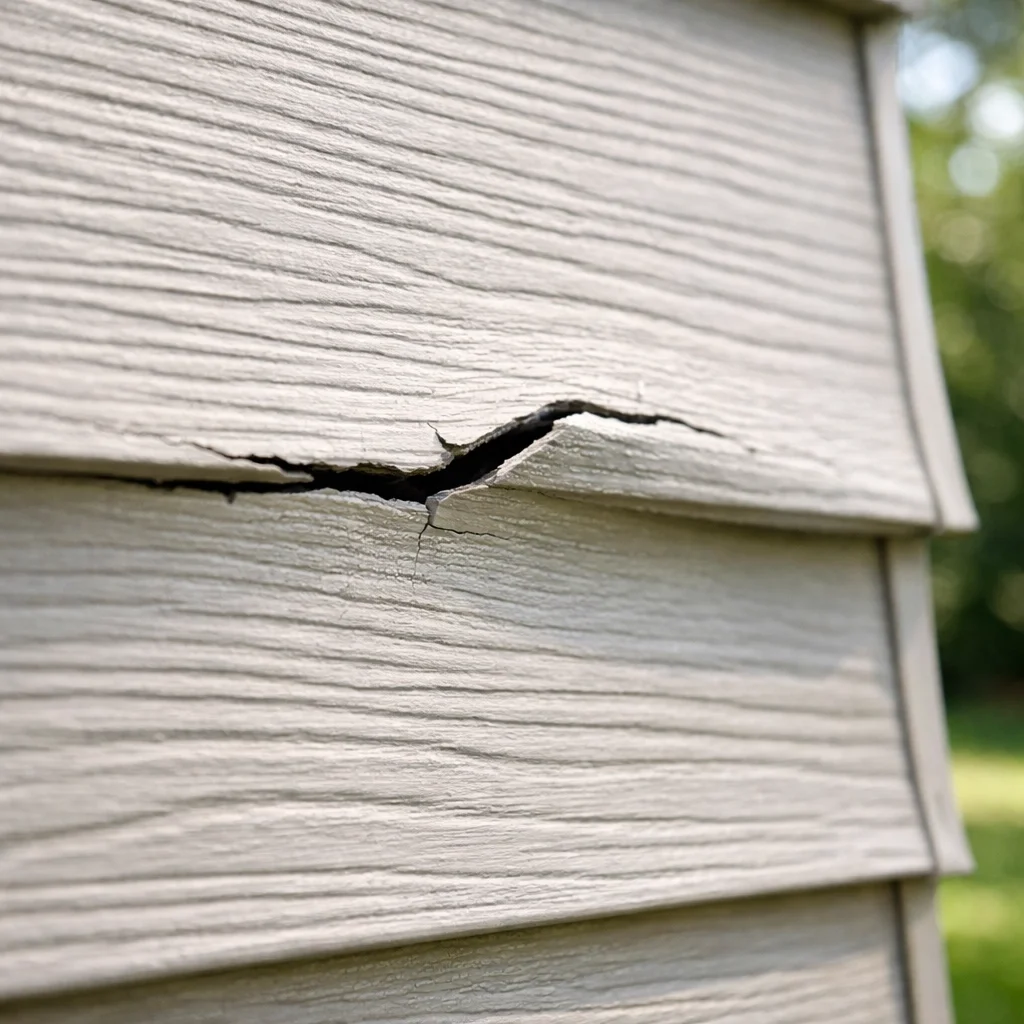
It sounds obvious, but you’d be surprised how many homeowners overlook small cracks or holes. In our climate, "small" doesn't stay small for long.
When you take a walk around your property, look closely at the panels. Cracks and holes are open invitations for Florida’s local pests to set up shop inside your walls. Even more concerning is moisture. A single crack can allow humid air and rainwater to seep behind the siding, where it gets trapped against your home’s wooden frame.
Have you noticed areas where the siding looks like it’s blistered or bubbling? This is a major sign of trouble. Bubbles usually indicate that water has become trapped underneath the siding surface. Because the moisture has nowhere to go, it starts to push against the material, creating those unsightly bumps. If you see this, it’s a clear signal that the siding is no longer doing its job of keeping the elements out.
2. The Great Fade: When Your Home Loses Its Sparkle
We all love the Florida sunshine, but your siding? Not so much. Over time, the intense UV rays we experience here in Niceville break down the pigments and the protective coatings of your siding.
If you notice that your home’s color looks significantly duller than it did five years ago, or if the color is uneven, it’s more than just an aesthetic issue. Excessive fading is often a sign that the material is becoming brittle. When siding loses its color, it’s often losing its flexibility and its ability to withstand impact.
If you have wood siding or older hardboard siding that requires painting, pay attention to how often you’re reaching for the paintbrush. If you find yourself repainting every two or three years because the paint is peeling or flaking off, the siding itself may be the problem. When the material can no longer hold a seal, it’s a sign that the internal structure of the siding is failing. We love helping homeowners transition to low-maintenance, high-durability options like modern fiber cement or premium vinyl that stay vibrant for decades, not just seasons.
3. The Science of the "Green Stuff": Mold, Mildew, and Fungus
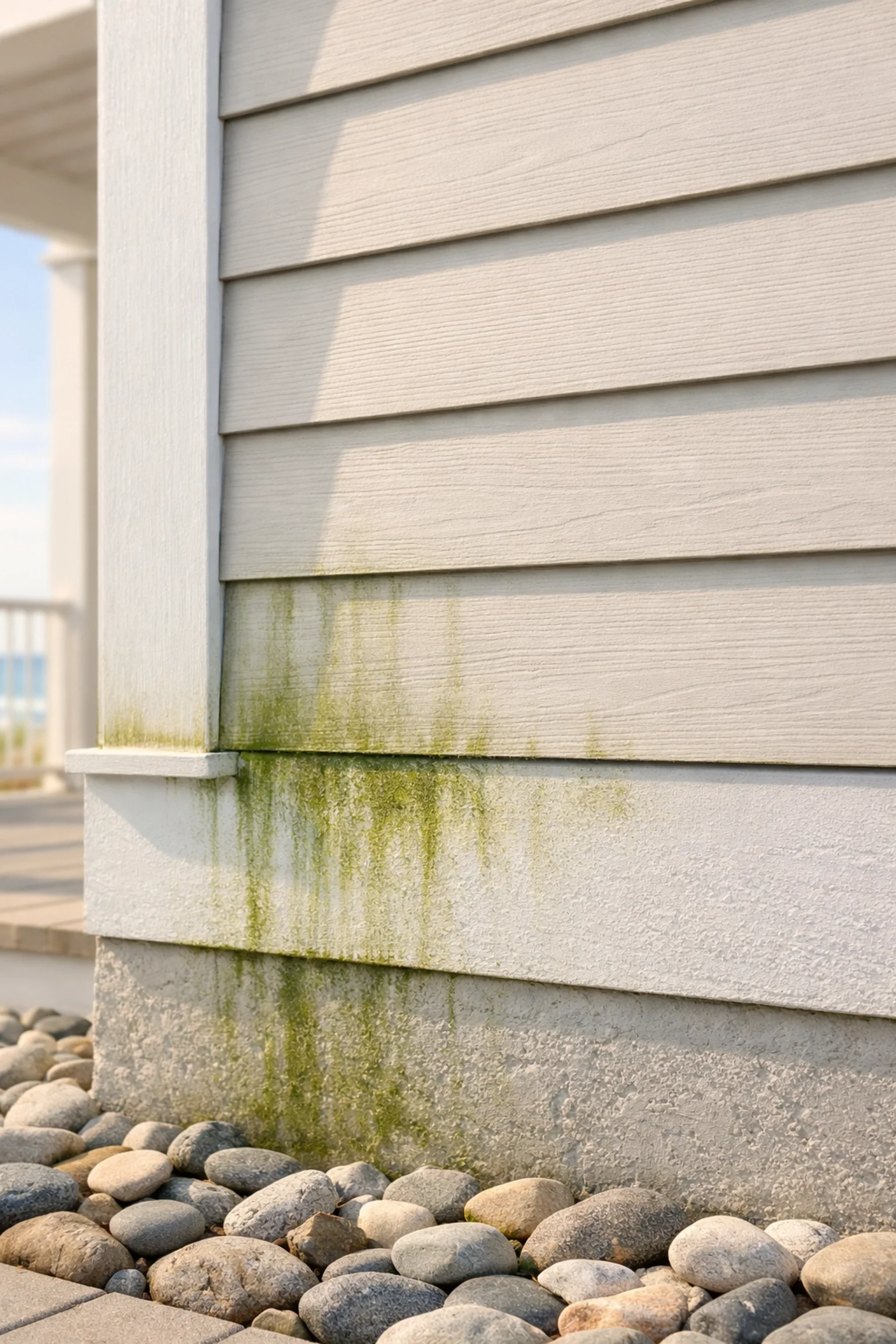
Moisture is our constant companion. While a little bit of surface algae on the north side of your house can often be power-washed away, deeper mold and mildew issues are a different story.
If you see mold, mildew, or fungus growth, especially near the seams of your siding, it’s a warning that moisture is lingering where it shouldn't. Persistent mold growth often indicates that the siding is holding onto water rather than shedding it.
Beyond the structural damage that rot can cause, mold and mildew can impact the air quality inside your home. If the barrier is compromised, those spores can eventually find their way into your wall cavities. When we take on a siding project, we ensure the house wrap and moisture barriers are pristine, giving you a home that breathes properly and keeps your family healthy.
4. Why Are the Energy Bills Creeping Up?
Have you noticed your Gulf Power or Choctawhatchee Electric bill getting higher and higher, even though you haven't changed your AC habits? Your siding might be the culprit.
Siding acts as an additional layer of insulation for your home. Older siding, or siding that has begun to warp and pull away from the house, creates gaps. These gaps allow "thermal bridging," where the cool air you’re paying for leaks out, and the sweltering Florida heat leaks in.
If you walk past a wall inside your house and feel a draft, or if that wall feels hot to the touch during a July afternoon, your siding and the insulation behind it are failing. Upgrading to modern, insulated siding is one of the best ways to boost your home’s R-value. It’s an investment that pays for itself over time through lower energy costs and a much more comfortable living environment.
5. Interior Distress Signals: Peeling Wallpaper and Damp Spots
Sometimes, the clearest signs that you need new siding aren't found outside, they’re found in your living room or bedroom.
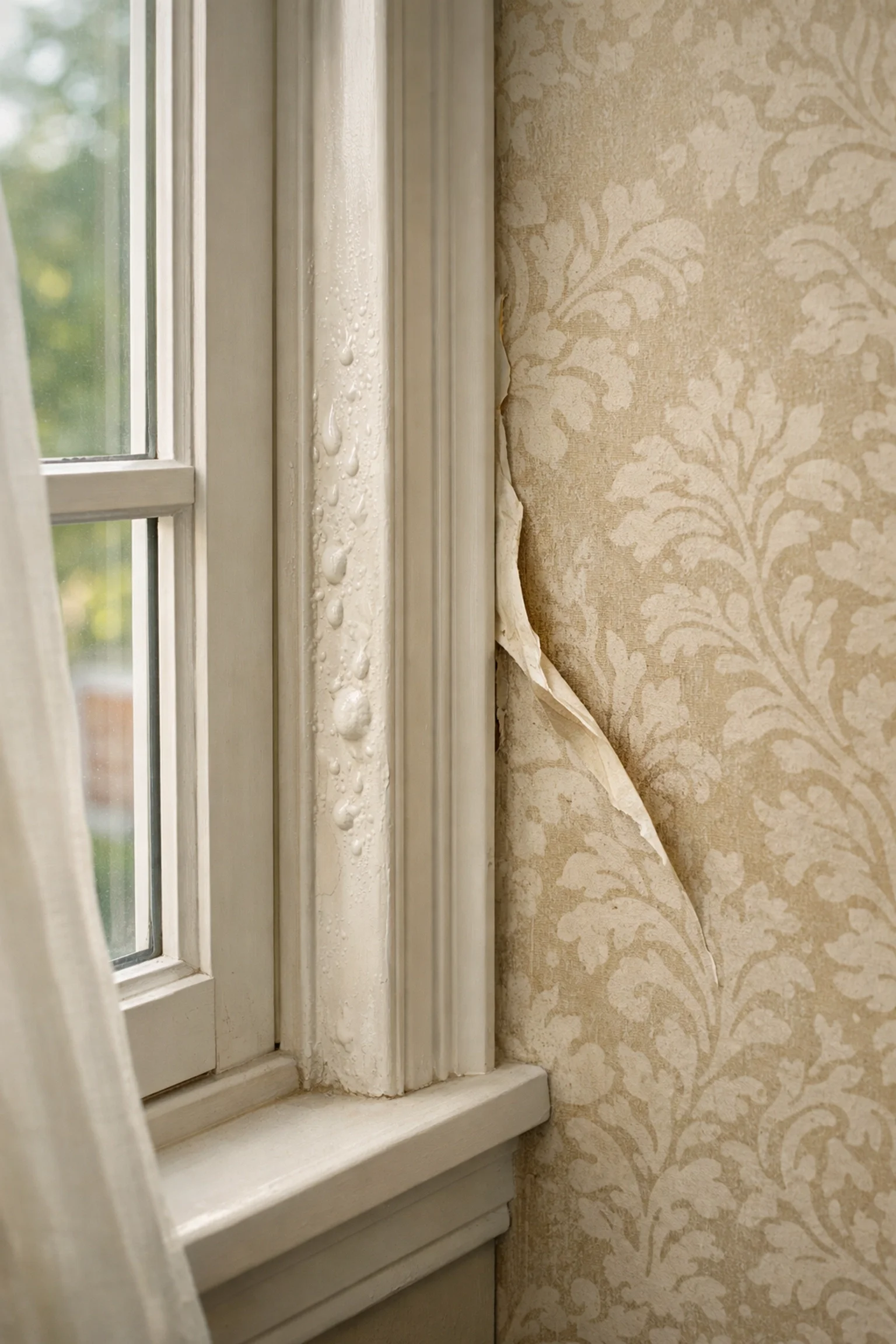
If you notice that your interior paint is starting to bubble or your wallpaper is peeling away from the wall, your siding is likely letting significant amounts of moisture through. This is a "code red" situation. By the time moisture shows up on your interior drywall, it has already traveled through your siding, your house wrap, your exterior sheathing, and your insulation.
If you suspect moisture issues, try the "screwdriver test" on your exterior (especially if you have wood-based siding). Gently poke the siding in areas that look suspicious. If the material feels soft or spongy, or if the screwdriver sinks in easily, you’re dealing with rot. Rot is like a cancer for your home; if you don't address the source, it will continue to spread to the studs and frame of your house.
Transforming Your Vision into Reality
We see siding as more than just a repair job. It’s an opportunity to completely reimagine your home’s personality. A siding replacement is the ultimate "glow-up" for your property.
Imagine pulling into your driveway and seeing a home that looks brand new. We take pride in our craftsmanship and our commitment to the community. We don't just build, we create lasting value and peace of mind.
Our process is built around your vision. We sit down with you to discuss the best materials for our unique coastal climate, ensuring that your new siding isn't just beautiful on day one, but stays beautiful through every storm and sunny day for years to come.
Don't wait for a small leak to become a massive renovation. If you’ve noticed any of these five signs, it’s time to have a professional take a look. We’re here to provide an honest assessment and help you explore the possibilities for your home’s transformation.